
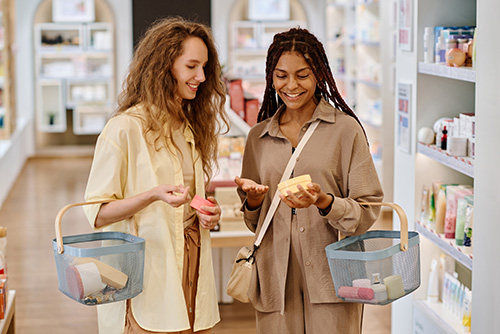

Walking into a store, your brain soaks in every detail. The store’s colors, lighting, music, and layout all work together to create an immediate impression, even if it’s subconscious. These subtle cues shape how you feel and whether you make a purchase at the end of your visit. Understanding how your retail atmosphere shapes customer perception is the first step toward building a memorable and profitable brand experience.
Visual Appeal and Layout
Visual appeal is the most important factor. Clean, organized shelves and attractive signage make it easier for shoppers to navigate the store, increasing the likelihood of purchases. Colors also play a powerful role; warm tones create a cozy, inviting environment, while cool colors can feel modern and sophisticated.
After you pick a color palette, choose strategic lighting to highlight key products and encourage exploration.
Sound and Scent
Sound and scent further influence shopper behavior. For example, a trendy toy store should prioritize playing upbeat tracks that energize shoppers. Softer music would be a better choice for a mattress store, as it encourages browsing and relaxing visits.
Similarly, pleasant scents create a positive emotional response. However, stick to simple scents that customers can barely notice. The subtle aroma is less likely to bother customers with sensitive noses.
Strategic Product Placement
Store flow directly impacts how customers move through the space and interact with merchandise. Aim to create open floor plans that feel welcoming and easy to navigate. Think about where you place high-demand or seasonal products, too. End caps, display tables, and focal points draw attention to key items, giving customers clear visual cues about what’s new or important.
Customer Service and Interaction
Understanding how your retail store’s atmosphere shapes customer perception will help you develop a successful customer interaction strategy, too. Customer service, though not strictly atmospheric, complements the physical environment. Train your staff to engage proactively with shoppers, so the shopping experience feels more customer-focused. This way, you’ll leave customers with a positive impression and create a sense of trust and reliability.
Eye-Catching Displays
For retailers looking to make a lasting impact, presentation matters. There are multiple ways to create an eye-catching retail display, and most of them are simple to execute. Telling a story with your display lets customers see the value of your products. For instance, you can use the “rule of three” and display three similar products.
Creative displays also encourage interaction, which makes shopping feel more engaging. Incorporating seasonal themes, textures, or even small digital elements can capture attention and spark curiosity. When customers pause to engage with a display, they are more likely to remember the brand and make a purchase.
Atmosphere as Strategy
Your store’s atmosphere is a silent salesperson, influencing how customers perceive your store. If you design a space that feels inviting, organized, and engaging, you’ll create an experience that customers will want to repeat. Over time, these positive impressions build loyalty and set your brand apart from competitors.