
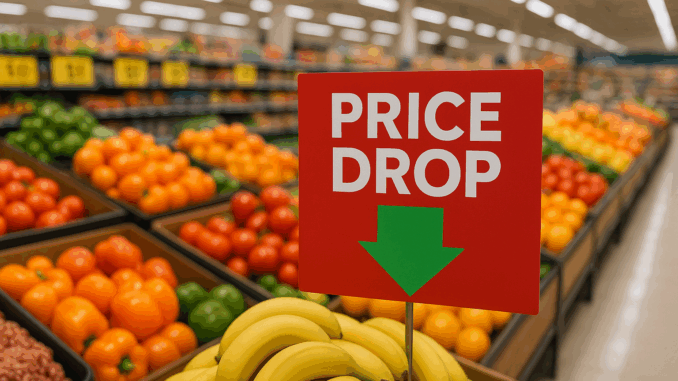

In a sudden about-face, President Donald Trump rolled back tariffs on more than 200 food
and commodity products last Friday, including such staples as coffee, beef and a variety of
produce all of which faced steep price increases in part brought on by the trade duties
levied earlier in the year.
The move should bring much needed relief to many Americans facing the never-ending
burden of rising grocery costs, especially with holiday gatherings just around the corner.
It’s also notable that it is the first time President Trump has acknowledged that American
consumers are indeed bearing the burden of his tariff policies.
It also comes on the heels of the Democrats winning state and local elections in New York,
New Jersey and Virginia where growing voter concerns about rising food costs and overall
affordability were key issues.
Given the President’s long-standing position on tariffs, the move is that much more
surprising, as Trump maintained early on that the import duties were not fueling inflation,
and still claimed on Friday that the U.S. has “virtually no inflation”.
Trump also told reporters that he plans to move forward with the $2,000 payment to lower
and middle-income Americans that will be funded by tariff revenue some time next year.
“The tariffs allow us to give a dividend if we want to do that. Now we’re going to do a
dividend and we’re also reducing debt,” said Trump.
Trump also announced framework trade deals that, once finalized, will eliminate tariffs on
certain food and imports from Argentina, Ecuador, Guatemala and El Salvador, with the
U.S. eyeing additional agreements before years’ end.
Friday’s list includes many products Americans purchase for everyday consumption, most
of which have seen double-digit price increases in the last year. Ground beef and steaks
have seen a 13% and 17% increase respectively, while produce including bananas, oranges
and tomatoes have seen increases as well.
The relief comes on the heels of numerous reports citing steep increases in what it will cost
most Americans to put a Thanksgiving dinner on the table this year. By some estimates,
Americans will likely spend $1,000 to host a Thanksgiving gathering, much of that in food
and beverage costs, though traveling and décor figure into that estimate as well. Wholesale
prices for the traditional centerpiece of turkey have increased 40% from a year ago, while
even canned vegetables are 5% higher than last year. Opting for beef will be 15% higher
than last year, though the tariff removal will ease some of those increases.
Trump’s move marks a pivot toward the “affordability” issue, which has become prominent
in political discourse not only in wake of the recent election, but with Americans growing
frustration to make ends meet, particularly with grocery costs.
Trump maintains grocery price hikes have more to do with the previous administrations
policies rather than his tariffs. Current Democrats claim otherwise. Democrat Richard Neal
of the House of Representatives Ways and Means Committee, says the President is trying
to put out a “fire” that he started:
“The Trump Administration is finally admitting publicly what we’ve all known from the start:
Trump’s Trade War is hiking costs on people,” Neal said in a statement. “Since
implementing these tariffs, inflation has increased and manufacturing has contracted
month after month.”
