
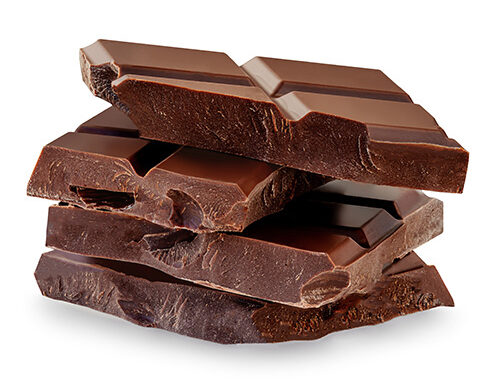

Chocolate delights customers, but the weather often decides whether a delivery arrives in perfect condition or as a disappointing mess. Temperature swings, humidity, and seasonal extremes all play a role in how chocolate behaves during transit. Understanding these factors helps businesses protect product quality and customer trust. Continue reading to explore how the weather impacts chocolate delivery success.
Heat Turns Sweet Into Stress
High temperatures pose the greatest challenge for chocolate deliveries. Chocolate melts at relatively low temperatures, and even brief exposure to heat can cause blooming, warping, or complete melting. Summer heat waves, warm delivery trucks, and sun-soaked doorsteps create hazardous conditions. Delivery teams must look beyond distance and timing and consider how heat builds throughout the shipping journey. Insulated packaging, cold packs, and strategic routing help reduce heat exposure and keep chocolate stable from warehouse to doorstep.
Cold Weather Brings Its Own Risks
Cold weather may seem safer for chocolate, but freezing temperatures bring their own problems. Extreme cold can cause chocolate to crack or develop textural issues when temperatures rise again. Rapid shifts from cold outdoor air to warm indoor environments often cause condensation, which affects appearance and mouthfeel. Smart planning accounts for both ends of the temperature spectrum and avoids assuming that winter conditions automatically protect chocolate.
Humidity Changes Everything
Humidity quietly influences chocolate delivery success. High moisture levels encourage condensation inside packaging, especially when temperatures fluctuate. That moisture can dull finishes, alter texture, and reduce shelf appeal. Dry conditions can also affect packaging materials, making them brittle or less effective. Businesses that focus on safely shipping chocolate often choose moisture-resistant wraps and packaging designs that balance airflow with protection.
Seasonal Planning Makes the Difference
Each season presents predictable challenges, and proactive planning keeps deliveries on track. Spring and fall often bring fluctuating temperatures, requiring flexible packaging strategies. Summer demands aggressive heat management, while winter calls for insulation to prevent freezing. Aligning shipping schedules with local weather patterns and adjusting delivery windows reduces surprises and improves consistency.
Last-Mile Delivery Holds the Final Test
The final stretch of delivery often causes the most damage. Packages left on hot porches or in freezing mailrooms face conditions far worse than those inside transit vehicles. Clear communication with carriers and customers helps minimize delays and exposure. Some businesses coordinate delivery times, while others use packaging that withstands short periods of extreme weather without compromising quality.
Weather Awareness Protects Brand Trust
Chocolate delivery success depends on respecting how the weather affects every stage of transit. Businesses that plan for temperature, humidity, and seasonal shifts protect their products and reputations. Thoughtful logistics, smart packaging, and weather-aware decision-making ensure chocolate arrives as intended: smooth, glossy, and ready to impress.