
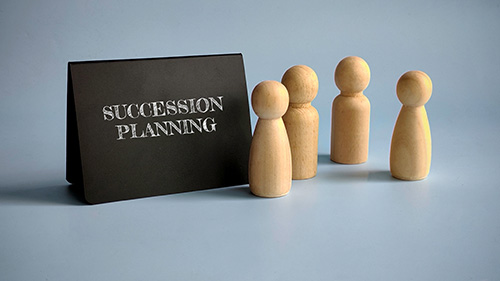

Organizations often focus on immediate operational needs. They address current market demands and client projects. This strategic myopia can create blind spots.
One significant blind spot is succession planning. It’s about preparing for the future leadership pipeline. A well-executed plan builds resilience.
A poorly managed or absent succession plan can become a critical vulnerability. It transforms a potential asset into a significant liability.
The Strategic Imperative of Succession Planning
Succession planning is not just about replacing departing executives. It is a comprehensive talent management strategy. It ensures continuity and stability within an organization.
This process identifies key roles. It also assesses potential internal candidates for those roles. Development plans are then put in place.
The goal is to have ready individuals. These individuals can step into critical positions seamlessly. This minimizes disruption and maintains momentum.
Identifying Critical Roles and Skills
The first step involves an honest assessment of the organization’s structure. Which roles are truly indispensable?
These are positions whose sudden vacancy would cause significant operational or strategic setbacks. Think about leadership roles, specialized technical positions, or those with deep institutional knowledge.
Beyond titles, consider the unique skills required. This includes technical expertise, leadership capabilities, and strategic thinking.
Assessing Internal Talent Pools
Once critical roles are identified, the focus shifts to internal talent. Who within the current workforce possesses the potential to fill these roles?
This requires a robust performance management system. It also needs clear criteria for leadership potential.
Evaluations should go beyond current performance. They must consider aptitude, willingness to learn, and alignment with company values.
The Hidden Costs of a Weak Succession Plan
When succession planning falters, the consequences can be far-reaching. These ripple effects impact various facets of the business.
A primary concern is the disruption caused by unexpected departures. This can lead to project delays and missed opportunities.
The financial implications are also substantial. Hiring external candidates often incurs significant recruitment costs. There’s also the onboarding and training investment.
Impact on Operational Efficiency
Sudden leadership gaps create uncertainty. This can lead to hesitation in decision-making. Projects may stall.
Team morale can suffer. Employees may feel a lack of direction or support. This can reduce overall productivity.
The knowledge held by departing individuals might be lost. This institutional memory is difficult and time-consuming to rebuild.
Financial and Market Repercussions
Key leadership departures can signal instability to the market. This can negatively affect stock prices or investor confidence.
Clients and partners may question the organization’s reliability. This can strain relationships and lead to lost business.
The cost of emergency hires is often higher. Premium salaries are typically required to attract top talent quickly.
Erosion of Company Culture and Knowledge
A culture that doesn’t value internal growth can lead to disengagement. Employees see limited career progression.
This can result in higher voluntary turnover. Experienced personnel seek opportunities elsewhere.
When long-tenured employees leave without proper knowledge transfer, critical processes can break down. This loss of tacit knowledge is a significant liability.
Building a Robust Succession Framework
A proactive approach to succession planning is essential. It requires dedicated resources and a commitment from leadership.
This involves creating structured development programs. These programs are designed to groom future leaders.
Cross-functional training and mentorship are key components. They broaden an individual’s understanding of the business.
Developing Talent Through Training and Mentorship
Formal training programs can equip employees with new skills. These skills might be leadership, financial acumen, or strategic planning.
Mentorship pairs high-potential employees with experienced leaders. This provides guidance and real-world insights.
These relationships foster learning. They also build crucial networks within the organization.
Implementing Development Plans
Each identified successor needs a personalized development plan. This plan outlines specific goals and activities.
It should include opportunities for job shadowing. Rotational assignments can also expose individuals to different business functions.
Regular feedback and performance reviews are vital. They ensure the development plan remains aligned with organizational needs.
Fostering a Culture of Growth
Ultimately, successful succession planning is embedded in the company culture. It’s not an isolated HR initiative.
Leadership must champion internal development. They must demonstrate that growth opportunities are valued.
Open communication about career paths encourages engagement. Employees feel more invested when they see a future for themselves.
Strategic Alignment with Business Objectives
Succession planning should not operate in a vacuum. It must directly support the overarching business strategy.
As the business evolves, so too must the identified critical roles and required skill sets.
This dynamic alignment ensures the pipeline is always relevant.
Adapting to Market Shifts and Innovation
The business landscape is constantly changing. New technologies emerge. Market demands shift.
Succession plans must anticipate these changes. They need to identify future leadership needs.
For example, industries embracing digital transformation require leaders with a strong understanding of emerging technologies. This includes areas like data analytics and artificial intelligence.
For businesses looking to leverage cutting-edge technology, dedicated expertise in areas such as IoT software development or advanced analytics might become critical. The succession plan must account for developing talent in these nascent but vital fields.
Integrating Succession with Workforce Planning
Workforce planning examines current and future staffing needs. Succession planning is a key component of this.
It helps predict potential talent gaps. It also informs recruitment strategies.
By understanding who might leave and who is being developed, organizations can make smarter hiring decisions.
If an organization is expanding its global reach, particularly in software development outsourcing, having leaders who understand diverse operational models is crucial. Building this competency starts with identifying potential candidates early for roles in custom software development services or managed IT services, ensuring they are equipped for complex international projects.
From Asset to Liability: The Turning Point
The transition from a valuable asset to a significant liability in succession planning is subtle. It occurs when planning is neglected or becomes purely performative.
An outdated plan that doesn’t reflect current business realities is essentially useless. It offers a false sense of security.
The liability arises not from the absence of a plan, but from the *presence* of an ineffective one.
The Illusion of Preparedness
Many organizations believe they have a succession plan. They may have a list of names. This list might be outdated or based on superficial assessments.
This creates a dangerous illusion. It leads to complacency and a lack of urgency.
When a critical role becomes vacant, the organization scrambles. The “plan” fails to deliver qualified candidates.
The Human Capital Drain
A consistently overlooked aspect is employee retention within the succession framework. High-potential employees often have options.
If they don’t see clear pathways for advancement or development, they will seek them elsewhere.
This brain drain is a direct consequence of poor succession management. It depletes the very talent pool the plan was meant to cultivate.
Operational Gridlock and Strategic Stagnation
Without capable leaders in place, decision-making slows. Innovation stagnates. The organization becomes reactive rather than proactive.
This operational gridlock can cripple growth prospects. Competitors who have invested in their leadership pipeline will inevitably gain an advantage.
The inability to adapt or seize new opportunities is the ultimate manifestation of a succession plan becoming a liability.
Conclusion
Succession planning is an ongoing strategic process. It requires diligent assessment, dedicated development, and consistent adaptation.
When executed effectively, it secures the organization’s future. It ensures leadership continuity and drives sustainable growth.
Neglecting this critical function transforms a strategic advantage into a profound vulnerability, impacting everything from daily operations to long-term viability.
“The most valuable asset any organization possesses is its people, and a robust succession plan ensures that this asset is consistently nurtured and prepared for the future.”
— Kuldeep Kundal, CISIN
