

For contractors, equipment is the backbone of day-to-day operations, but a sudden breakdown can halt progress, increase costs, and even damage client relationships. To stay on schedule and maintain efficiency, it’s crucial to understand the common issues that arise with construction and industrial tools. Learn what to expect on the job and a few workarounds to prevent any setbacks or downtime.
Motor Failures
Motors are fundamental in many types of equipment, powering everything from concrete mixers to air compressors. Overheating, electrical faults, and poor lubrication are common causes of motor failure. Contractors should ensure regular inspections of motor components, such as bearings and wiring, to prevent unexpected downtime.
Using equipment within its specified load capacity and avoiding prolonged operation without breaks can also extend motor life. Keeping the motor clean and dry is equally essential for consistent performance.
Hydraulic System Issues
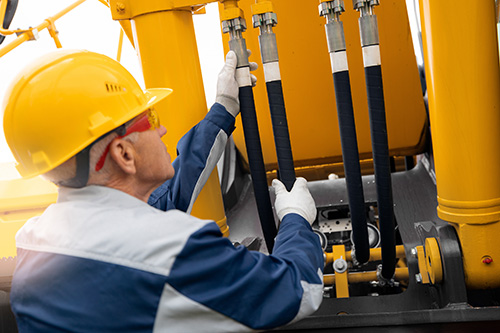
Hydraulic systems are indispensable in heavy equipment like excavators and backhoes. However, they are prone to common problems such as leaks, pressure drops, and contamination in hydraulic fluids. Improper maintenance or neglecting filter replacements often exacerbates these issues.
To ensure peak performance, contractors should routinely check fluid levels, inspect hoses for signs of wear, and replace filters per manufacturer recommendations. Proactive care can help contractors avoid severe system failures and costly repairs.
Spray Hoses Challenges
Spray hoses are vital for tasks like applying paints, sealants, and coatings. Unfortunately, they often face issues such as leaks, clogs, and material buildup. Weak connections or overexposure to harsh chemicals and UV light can compromise the hose’s integrity, leading to premature wear and tear.
Contractors should inspect spray hoses frequently for any signs of cracking or damage. Proper storage, such as keeping hoses coiled correctly and away from direct sunlight, can prevent degradation. When it comes to spray hoses, it’s critical to be aware of the most common issues and what you can do to prevent or fix them while still on a job site.
Battery and Power Supply Failures
With the rise of cordless tools, battery-related failures have become a frequent issue for contractors. Poor charging practices, extreme temperatures, and overuse can shorten a battery’s lifespan.
To maximize utility, contractors should store batteries in cool, dry environments and use manufacturer-approved chargers. Following charging guidelines, including disconnecting batteries once fully charged, can also prevent power fluctuations that may damage the equipment.
Cutting Tool Wear and Tear
Cutting tools like saws and drills are heavily relied upon in construction. Dull blades, broken teeth, or overheating components can result in inefficient cuts and safety hazards. Regular sharpening and the use of high-quality materials can mitigate wear and tear.
It’s also vital to use the appropriate tool for the job, as forcing equipment into unsuitable tasks increases the likelihood of damage. Reviewing user manuals and adhering to recommended specifications can further ensure longevity.
Being aware of the common equipment failures that contractors need to know and how to address and prevent those situations is essential for every contractor aiming to maintain efficiency and avoid project delays. Regular maintenance, thorough inspections, and adherence to best practices will go a long way in extending the lifespan of equipment.