
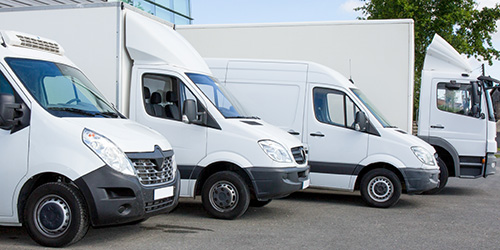

Growing your business fleet represents one of the most important operational decisions you’ll make as your company scales. Understanding what to consider when expanding your business fleet encompasses everything from financial planning and operational efficiency to regulatory compliance and long-term strategic alignment. The decisions you make during this critical phase will affect your bottom line for years to come, making thorough preparation essential for sustainable business growth.
Operational Efficiency and Route Optimization
Expanding your fleet without optimizing operations can lead to increased costs without yielding benefits. Modern fleet management requires sophisticated planning that considers route efficiency, driver productivity, and vehicle usage rates. Fortunately, advanced tech systems provide real-time data on vehicle performance, driver behavior, and route effectiveness, enabling data-driven decisions that maximize return on investment.
Territory analysis also plays a crucial role in determining optimal fleet size and vehicle distribution. Understanding customer density, service demand patterns, and geographic constraints can help business owners identify the most efficient deployment strategies.
Vehicle Selection and Specification Requirements
Choosing the right vehicles for your expanded fleet requires careful analysis of operational needs, performance requirements, and long-term strategic goals. Generic vehicle purchases rarely provide optimal value compared to purpose-built solutions that address specific business requirements.
Payload capacity, fuel efficiency, and reliability ratings are some of the essential considerations for most fleet applications. However, specialized businesses may require additional features, such as refrigeration systems, lift gates, or custom storage solutions. Balance these specialized requirements with standardization benefits using strategic thinking.
Insurance and Safety Standards
Insurance requirements typically increase with fleet size, but larger fleets may qualify for volume discounts and specialized coverage options. Work with insurance providers who understand commercial fleet operations to ensure adequate protection while managing premium costs effectively.
Safety compliance goes beyond regulatory minimums to include driver training programs, vehicle maintenance protocols, and incident response procedures. Establishing a comprehensive safety management system before expanding your fleet prevents costly accidents and regulatory violations.
Leasing Versus Purchasing Considerations
The decision between leasing and purchasing vehicles can greatly influence short-term cash flow and long-term financial performance. Some of the best tips for leasing a trailer and other fleet vehicles include evaluating mileage restrictions, maintenance responsibilities, and end-of-lease options that align with your business requirements.
Purchasing vehicles provides ownership benefits, including asset value, customization flexibility, and unlimited usage rights. Meanwhile, leasing arrangements offer predictable monthly payments, warranty coverage, and the ability to upgrade to newer technology regularly.
Maximizing Your Fleet Expansion Success
Successful fleet expansion requires comprehensive planning that balances immediate operational needs with long-term strategic objectives. The most successful business owners approach what to consider when expanding your business fleet as a multifaceted challenge requiring expertise in finance, operations, technology, and regulatory compliance.
By carefully considering each aspect of fleet expansion and developing systematic approaches to vehicle selection, financing, and management, you position your business for sustained success in an increasingly competitive market.