
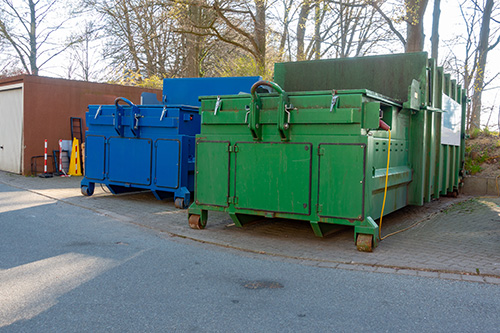

An foul-smelling waste compactor is a liability. For small and medium-sized business owners, maintaining a professional environment is crucial for customer retention and employee satisfaction. A persistent stench radiating from your waste management area signals neglect and tarnishes your reputation before a client even walks through the door.
It’s important you understand the root causes of these odors so that you can implement effective solutions. While compactors are efficient tools for managing large volumes of trash, they require specific maintenance protocols to function without becoming a health hazard. Let’s take a look at why your business waste compactor smells atrocious.
Decomposition of Organic Matter
The most common culprit behind a foul-smelling compactor is the breakdown of organic waste. When food scraps, liquids, or other biodegradable materials sit in a compactor for extended periods, bacteria begin to thrive. This bacterial activity produces gases like methane and hydrogen sulfide, which create that characteristic garbage smell.
Even if your business isn’t a restaurant, employees likely discard lunch leftovers or coffee grounds. In warmer months, heat accelerates this decomposition process, which makes the odor significantly worse in a shorter amount of time.
Leachate Build-Up
Leachate is the liquid that drains from waste. It forms a toxic sludge at the bottom of the compactor unit or in the receiving container. This liquid is a potent mix of decaying organic matter, chemicals, and rainwater. If the compactor lacks proper drainage or if seals fail, this liquid pools and stagnates.
Stagnant leachate provides an ideal breeding ground for insects and bacteria. Over time, this sludge hardens and becomes difficult to remove, creating a permanent source of odor that persists even after you empty the compactor.
Infrequent Hauling Schedules
Efficiency drives many business decisions, including waste removal schedules. You might wait until the compactor is full before scheduling a pickup to save on hauling costs. However, extending the time between hauls allows waste to fester.
If your business generates wet waste, waiting too long between pickups guarantees odor issues. The savings on hauling fees often evaporate when you consider the cost of pest control or the potential loss of business due to unsanitary conditions.
Lack of Regular Cleaning
Compactors are not self-cleaning. Debris inevitably gets trapped behind the ram (the part that crushes the trash) or in the tracks of the unit. Without a scheduled deep cleaning, this trapped debris rots and creates that atrocious smell in your waste compactor.
Standard pressure washing often isn’t enough to reach these hidden crevices. You need a thorough cleaning protocol that targets the internal mechanics of the machine.
How To Mitigate the Odor
Addressing these issues requires a proactive approach. Ignoring the smell will only lead to pest infestations and potential health code violations. Consider the following steps:
- Adjust Your Hauling Schedule: Increase pickup frequency during hot weather or high-volume periods.
- Inspect Seals and Drains: Make sure liquids can escape properly and don’t leak onto the ground.
- Implement a Cleaning Routine: Schedule professional cleanings that use enzyme-based cleaners to break down organic matter.
- Use Odor Control Systems: Install ozone generators or masking agents designed for industrial use.
Identifying waste compactor problems and fixing them early prevents minor maintenance issues from becoming major sanitary crises. By managing your waste equipment with the same diligence as your front-of-house operations, you ensure a clean, professional atmosphere for everyone who interacts with your business.