
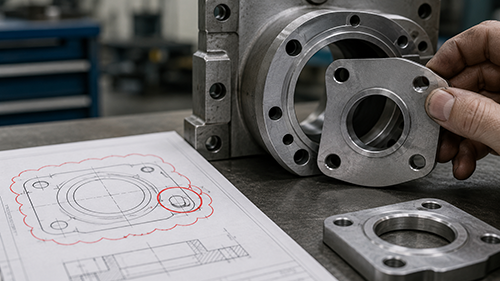

A product change can look harmless when someone approves it on a screen. The expense often appears later, when purchasing orders the previous component or a supplier builds from an outdated drawing. Production may also keep following instructions that no longer match the approved design.
These problems rarely arrive as one large invoice. Instead, they show up in different budgets and at different points in the production cycle. The hidden costs of uncontrolled design revisions are easy to miss for that reason. Knowing where they come from helps business owners improve products without giving up margin or putting customer commitments at risk.
1. Outdated Drawings Create Rework
Employees and suppliers can follow every instruction correctly and still produce the wrong result if they receive an old drawing. Once someone catches the mismatch, the affected parts may need to be taken apart or modified. In some cases, the company has to rebuild them from scratch.
That correction uses labor and production capacity without creating anything the customer will pay for. It can also interrupt other scheduled work while the team figures out which version is current. Because the hours often disappear into ordinary shop time, leadership may never connect the expense to poor revision control.
2. Obsolete Inventory Ties Up Cash
A revised design can make perfectly usable inventory incompatible with the finished product. A new hole pattern may affect a mating component, while a material change can leave previously purchased stock outside the approved specification.
The business then has to decide whether the old items can be modified or returned. Custom parts may offer few return options after a supplier finishes the order. For a smaller company, even one unexpected write-off can tie up cash that was meant for payroll or the next production run.
3. Supplier Restarts Add Costs
Outside suppliers schedule labor and equipment around the information they receive. When an updated revision arrives after work has started, the supplier may need to stop the job and reset its process. It may also need different material.
Correcting the order can lead to rush fees or expedited shipping. Those charges may be hard to dispute when the customer approved the earlier information or sent the change too late. Frequent last-minute revisions can also make suppliers less confident in forecasts and promised dates.
4. Production Delays Disrupt Schedules
A revision conflict can stop more than one product. Supervisors may pause a job while employees confirm the correct drawing or locate approved components. If no one has clear authority to resolve the issue, the delay can stretch much longer than expected.
Managers often respond by moving another job forward, but that can create a new scheduling problem. Planned labor shifts elsewhere, and later orders begin competing for the same capacity. Recovering the schedule may require overtime or an uncomfortable conversation about a missed delivery date.
5. Repeated Inspections Consume Time
Inspection results only confirm that a product meets the version evaluated. Once the design changes, earlier measurements may no longer prove that the revised product meets its requirements.
The first unit produced under the new revision may need another review before the full run continues. That means more inspection time and a fresh approval. Skipping the review may save a few hours in the moment, but it pushes the risk further down the process or onto the customer.
6. Revision Errors Strain Customer Relationships
Revision problems do not always stay inside the facility. Production delays can affect promised delivery dates, while mixed versions may create inconsistencies between units shipped under the same order.
Sales and customer service teams may not know what changed or which version reached the customer. If the wrong product ships, the company may have to replace it and absorb the freight. Even after the issue is corrected, repeated confusion can make an otherwise capable business look unreliable.
7. Small Corrections Erode Margins
The most dangerous cost may be the one that never receives its own line on a report. Rework appears under labor. Replacement material becomes another purchase. Expedited freight looks like a shipping problem.
Each expense may seem manageable by itself. Together, however, those corrections reduce the margin on the affected product and use capacity that could have supported profitable work. Unless the company traces them back to the original revision, owners may continue approving changes without seeing what those decisions really cost.
A Controlled Process Prevents Costly Mistakes
Product changes are unavoidable. Customers provide feedback, suppliers discontinue components, and internal teams find ways to improve performance. The goal is not to prevent revisions. It is to make each approved change visible and traceable before work begins.
Engineering-change costs include more than updating specifications. Businesses must also move the approved change into production, which requires coordination beyond the engineering team.
A practical revision process should require the business to:
Small businesses do not necessarily need complex software or a large approval committee. They do need one approved source of information and a clear way to confirm that the change reached the people buying and building the product. Inspection teams also need to know exactly when the new version takes effect.
When internal teams lack the capacity to update every affected drawing and production document, outside engineering support can help keep suppliers and production teams aligned with the approved design. The business should still assign internal ownership, so that decisions and approvals remain accountable.
A consistent release process can also prevent the hidden costs of uncontrolled design revisions from spreading through the business. Teams can resolve conflicts during review instead of discovering them after materials have been ordered or production has started.
Traceable Changes Protect the Business
Product improvements should strengthen a business, not create expenses that disappear across several budgets. A controlled process gives owners a clearer view of what changed and why the company approved it. It also shows where the decision will have an operational effect.
When every team works from the same approved information, the business can protect its schedule and preserve product consistency. Leaders can also understand the real cost of each decision. That discipline allows products to keep improving without putting margins or customer trust at unnecessary risk.
Be the first to comment