
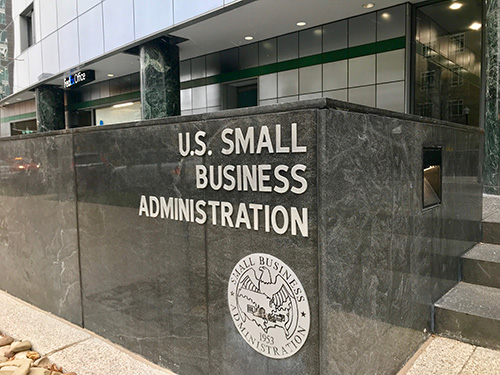

The Small Business Administration (SBA), established in 1953, serves as a lifeline for entrepreneurs and small business owners across America. However, many business owners remain unclear about what this federal agency actually does and how it might help their ventures grow. Let’s take a quick look at what the SBA is and what it does for businesses.
Core SBA Functions
The SBA focuses on four primary areas of support for small businesses:
- They facilitate access to capital through loan guarantee programs.
- They provide counseling and training resources.
- They help businesses secure government contracts.
- They offer disaster relief assistance after natural disasters or economic emergencies strike.
The agency’s loan programs represent its most well-known service. SBA loans work differently than traditional bank loans because the government guarantees a portion of each loan, typically between 50 and 90 percent. This guarantee makes it less risky for lenders to approve loans, thus increasing their chances of doing so for small businesses that need it the most.
Popular SBA Loan Programs
Several loan programs cater to different business needs and situations.
- The 7(a) loan program is the SBA’s flagship offering, providing funding for working capital, equipment purchases, real estate, and business acquisitions.
- The 504/CDC loan program specifically targets real estate and equipment financing with long-term, fixed-rate options.
- Microloans offer smaller amounts (up to $50,000) for startups and very small businesses.
- Express loans provide faster approval times for businesses needing quick access to funds.
Business owners interested in SBA financing should learn about SBA loan approval timelines, as processing times vary significantly between different loan types and can impact business planning decisions.
Beyond Lending
The SBA’s resource network includes SCORE mentors, Small Business Development Centers (SBDCs), Women’s Business Centers (WBCs), and Veteran Business Outreach Centers (VBOCs). These organizations provide free or affordable counseling, training workshops, and educational resources.
Government contracting is another significant SBA function. The agency helps small businesses navigate federal procurement opportunities and ensures that government agencies meet their small business contracting goals. They also certify businesses for special contracting programs, including those for women-owned, veteran-owned, and disadvantaged businesses.
Getting Started With SBA Resources
Now you know the basics of what the SBA is and what it does for small businesses like your own. If you want to access their many resources, start by visiting your local SBA district office, connecting with SCORE mentors online, or attending workshops at nearby SBDCs. The SBA website also provides extensive information about loan programs, eligibility requirements, and application processes.