
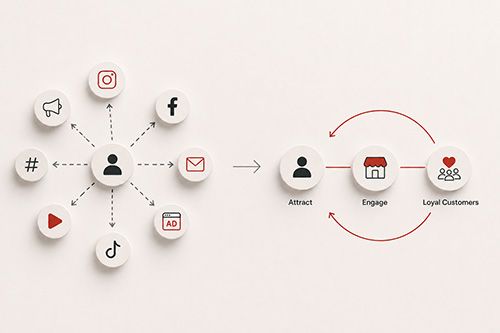

Marketing is essential for any small business, but for many entrepreneurs it can feel like an endless struggle. You pour hours into social media posts, email campaigns, or digital ads and yet the results often fall short. In 2026, with competition intensifying and consumers more selective, traditional approaches to small business marketing often fail to deliver. The truth is that failure rarely stems from lack of effort. Small business owners are hardworking and creative, but the real challenges lie in strategy, focus, and execution. Many campaigns are designed to impress rather than connect, prioritize short-term gains over long-term relationships, or fail to understand the customer deeply enough. To succeed today, marketing must go beyond selling. It should engage, educate, and foster loyalty over time.
Understanding Why Marketing Often Falls Short
One reason marketing fails is lack of focus. Entrepreneurs often feel the pressure to be everywhere at once. They post on every social media platform, experiment with multiple promotions, and chase every new trend. While the instinct to try everything is understandable, it rarely works. Messages become diluted and fail to resonate. Consistency and clarity will always outperform a scattered approach. Another common issue is focusing on features rather than benefits. Many businesses talk about what they do without explaining why it matters to the customer. A bakery may emphasize the quality of its organic flour, but customers care about the benefit, such as enjoying healthier, tastier treats for their families. Customers respond emotionally, and marketing that connects product benefits to personal value resonates far more than a list of features. Neglecting the customer journey is another major pitfall. Many small businesses focus solely on getting attention without guiding customers from awareness to decision. Marketing that ends at the first interaction rarely converts. Success comes from nurturing relationships, providing value, and creating experiences that encourage ongoing engagement.
Shifting from Transactions to Relationships
Marketing succeeds when it emphasizes long-term relationships rather than one-time sales. This approach turns limited budgets into sustainable growth. Customers are more likely to return and refer others when they feel understood and valued. Building relationships starts with listening. Small businesses have an advantage over larger competitors in knowing their customers personally, responding quickly, and tailoring experiences. Collecting feedback and observing preferences allows marketing efforts to resonate more deeply. Personalization is more than inserting a first name into an email. It is about creating relevance and context. When a campaign feels designed for the individual, it fosters connection and trust. Marketing becomes a conversation rather than a monologue.
The Power of Storytelling
Storytelling is one of the most effective ways small businesses can differentiate themselves. A strong story communicates why a business exists, who it serves, and what it stands for. Stories create emotional resonance and are far more memorable than simple promotions. For example, a small coffee roaster could share the journey of their beans from farm to cup, highlighting the care taken at each step. Customers are not just buying coffee, they are buying into the story, the ethics, and the experience. Story-driven marketing transforms customers into advocates and strengthens a brand in ways that traditional ads rarely achieve.
Choosing the Right Marketing Channels
Many small businesses fail because they use the wrong channels. Entrepreneurs often try to be present everywhere without understanding where their target audience actually engages. The key is focusing on the platforms that matter most. A professional service might find LinkedIn thought leadership and email campaigns most effective, while a boutique retailer may thrive on Instagram and local events. Quality and relevance always outweigh quantity. Consistent, focused communication allows businesses to engage meaningfully with their audience.
Using Data Wisely
Data can feel intimidating, but it is essential for effective marketing. Some businesses ignore analytics completely, while others are overwhelmed by numbers. The goal is to find balance. Use data to understand performance and trends, but do not let it stifle creativity or experimentation. Start small by tracking engagement, website visits, and conversions. Observe patterns and adjust campaigns accordingly. Over time, these insights can inform more advanced strategies while maintaining the human understanding of customers as the foundation.
Content That Adds Value
Marketing that only sells rarely succeeds. Small businesses thrive when their content educates, entertains, or inspires. Sharing practical tips, thought leadership, or guides builds trust and establishes authority. A landscaping company, for example, could publish seasonal gardening tips or how-to guides for lawn care. Customers gain value even before making a purchase and see the company as a trusted resource. Over time, these efforts naturally lead to sales and referrals, turning content into a powerful marketing tool that extends beyond immediate transactions.
Embracing Experimentation
Many small businesses hesitate to try new marketing approaches due to limited budgets or fear of failure. Yet experimentation is critical. Consumer behavior, trends, and digital algorithms evolve constantly. Testing new strategies, analyzing outcomes, and adapting ensures businesses remain agile and discover what truly works. Experimentation also fuels creativity. Video series, interactive social content, or localized campaigns can differentiate a business in a crowded market. Success comes from learning and iterating rather than expecting perfection on the first attempt.
Building a Scalable Marketing Foundation
Short-term campaigns matter, but small businesses also need a marketing foundation that scales. This includes a strong brand identity, consistent messaging, and systems for nurturing leads and customers. Marketing that relies on ad hoc efforts is vulnerable to shifts in attention, interest, or market conditions. A well-designed foundation allows businesses to sustain growth and maximize return on investment over time.
Conclusion
Most small business marketing fails because it focuses on immediate results rather than long-term relationships, spreads effort too thin, or overlooks the customer perspective. The solution is marketing with purpose, emphasizing storytelling, relevance, personalization, and engagement. The businesses that succeed in 2026 will be those that understand marketing as a tool for building loyalty and demonstrating value. By combining strategy, creativity, and consistent execution, small businesses can turn marketing from a source of frustration into a powerful engine for growth.

Many small ecommerce businesses struggle because email and SMS marketing lack consistency and personalization for customer engagement. Valuable strategies explained clearly here, thanks for sharing such helpful insights!