
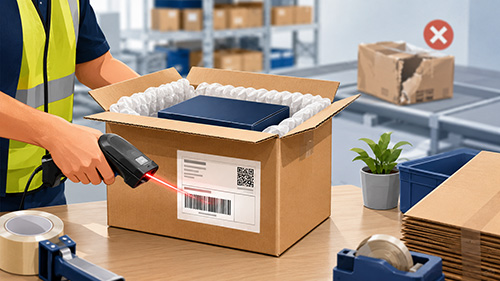

A reshipment is more than a second box going out the door because it means the first order failed to do its job. How e-commerce brands reduce reshipments depends on catching the weak points that create delivery problems before they reach the customer. The strongest brands treat every replacement order as a clue, not just a cost. When those clues lead to better packaging and cleaner fulfillment habits, the entire shipping experience gets sharper.
Build Packaging Around the Product
Packaging should match the item’s weight and fragility rather than rely on a single standard box. A packaging review that compares single- and double-wall corrugated boxes gives teams a practical way to match carton strength to shipping risk. When protection aligns with the product, fewer orders arrive dented or unusable. Better packaging decisions reduce waste without turning every shipment into an oversized expense.
Improve Order Accuracy Before Fulfillment
Many reshipments begin before a package reaches the carrier. A mislabeled item or a rushed pick process results in a second shipment, even when delivery goes smoothly. Barcode checks and clear packing stations reduce human error because each order gets verified before sealing. Over time, fewer mistakes leave the building, which protects both inventory and customer confidence.
Strengthen Address and Delivery Details
Address problems that create avoidable reshipments, which are frustrating for customers and costly for brands. Checkout fields should catch missing apartment numbers and formatting issues before payment is complete. Delivery instructions should stay visible to the fulfillment team when they affect where the package should go. A cleaner handoff gives carriers better information and lowers the chance of failed delivery.
Use Customer Feedback To Find Patterns
A single damaged order might look like bad luck, but repeated complaints point to a fixable process issue. Customer service notes should connect back to the packaging choice and carrier outcome. When teams review those patterns, they gain a clearer picture of where reshipments originate. Small adjustments, then, have a better chance of solving the real problem.
Reshipments quietly drain profit because they often look like isolated fixes. E-commerce brands reduce reshipments by treating each failed delivery as a signal that something earlier in the process needs attention. The brands that act on those signals protect their margins without lowering customer expectations. A better first shipment is always the cleaner win.