
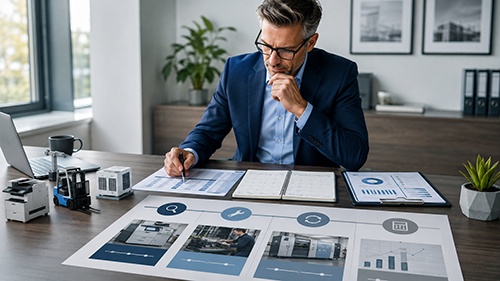

Equipment purchases influence much more than a company’s balance sheet because they shape productivity, budgeting priorities, and the ability to respond to new opportunities. Smarter capital planning for workplace assets reflects a long-term business practice that encourages owners to think beyond immediate purchasing needs and evaluate how every major asset contributes to future growth. When equipment planning becomes part of the budgeting process, businesses gain greater flexibility to make informed financial decisions without disrupting day-to-day operations.
Build Equipment Planning Into Financial Reviews
Capital planning produces stronger results when businesses evaluate equipment as part of regular financial reviews before replacement becomes unavoidable. Annual budgeting meetings create a natural opportunity to examine whether existing assets continue supporting current workloads and future business objectives. Those discussions become more productive because owners can compare projected expenses against anticipated revenue while considering whether delaying a purchase creates additional financial risk.
Equipment rarely reaches the end of its useful life without providing warning signs. Maintenance expenses increase gradually, while declining performance affects productivity long before equipment completely fails. Recognizing those changes early allows businesses to schedule purchases during stronger financial periods, reducing the likelihood of emergency spending when options become limited.
Evaluate Long-Term Value
Purchase price deserves attention, although it represents only one part of a much larger financial decision. Every piece of equipment influences business performance throughout its service life, and its value depends on how consistently it supports daily operations without creating unnecessary expenses. A lower-cost purchase may appear attractive initially, yet recurring maintenance or reduced productivity can gradually increase ownership costs far beyond the original investment.
Business owners evaluating specialized assets, such as replacing medical equipment, may consider the financial factors involved, since organizations across many industries must balance reliability, lifecycle expectations, and operating costs before deciding whether continued repairs remain financially practical. Viewing replacement decisions through the lens of long-term business value encourages investments that support sustainable growth.
Use Asset Records To Strengthen Future Decisions
Many businesses maintain equipment records primarily for accounting purposes, although those records provide valuable operational insight when they remain accurate and up to date. Service histories reveal how frequently equipment requires repairs, while purchase dates and warranty information provide context that supports future budgeting discussions. Reviewing those details together creates a clearer understanding of which assets continue delivering value and which ones deserve closer evaluation before the next budget cycle.
An organized asset inventory can reveal spending patterns that may otherwise go unnoticed. Businesses sometimes discover that multiple high-value assets will require replacement within a relatively short period, creating an opportunity to spread purchases across several budget years. That level of planning supports steadier cash flow while giving leadership more flexibility during vendor negotiations and capital budgeting.
Planning Ahead Creates Greater Financial Flexibility
Growing businesses rarely make purchasing decisions in isolation because every investment influences future budgets and operational capacity. Smarter capital planning for workplace assets encourages business owners to evaluate equipment as part of a broader financial strategy that supports sustainable growth while reducing unnecessary financial surprises. Companies that routinely review asset performance, replacement timelines, and future capital needs place themselves in a stronger position to adapt as their operations evolve, allowing equipment investments to support long-term business goals.
Be the first to comment