
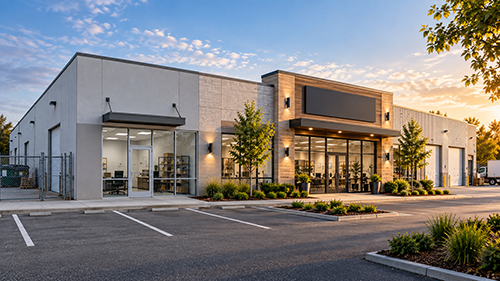

Leasing can offer a business valuable flexibility. But over time, rising rents, space constraints, or a lack of control may make ownership more appealing. For established companies, buying commercial property can offer greater predictability and more freedom to shape a space around its long-term needs. In general, a small business should buy its commercial space when its finances and growth plans make ownership more practical than continuing to rent. Looking at the signs below can make that decision easier to evaluate.
Rising Rent Costs
Consistent rent increases can gradually make leasing less attractive, especially for businesses that expect to remain in the same market for years. Instead of focusing only on the current monthly payment, owners should consider how scheduled increases could affect occupancy costs over time. If leasing is becoming noticeably more expensive each year, purchasing a suitable property may be worth a closer look.
To compare leasing and ownership more accurately, look at how the following costs could affect the business:
Space Limits Business Growth
A commercial space can start holding a business back even before it feels obviously too small. An inefficient layout, inadequate storage, limited parking, or a lack of room for equipment can affect productivity and customer service. When these issues become part of daily operations, a better-suited property may offer more practical value than another lease renewal.
Future needs should also factor into the decision. If the company expects to expand inventory, increase production, or create more customer-facing space, it may be difficult to find a leased property that fits both current and future requirements. For some small businesses, the ability to choose and configure a property is one of the strongest reasons to buy commercial space.
Long-Term Location Stability
Some businesses gain significant value from staying in one place. Retailers, professional practices, service providers, and companies with established local customer bases may face disruption if a lease ends or a landlord decides not to renew. Ownership can reduce that uncertainty by giving the business greater control over how long it remains at a particular address.
That stability can also make long-range investments easier to justify. A company may be more comfortable improving signage, installing equipment, or renovating customer-facing areas when it doesn’t have to worry about leaving at the end of a lease term. This tends to be most valuable when the business already knows which market or service area it plans to serve for years to come.
Greater Control Over the Property
Leasing often limits how much a business can change about its premises. Ownership typically provides more flexibility, although zoning rules, permits, financing terms, and local regulations still apply.
Here are ways that a property can evolve with a business:
- reconfiguring offices or customer areas
- adding specialized equipment or utilities
- expanding storage or production space
- updating exterior signage
- improving accessibility
- renovating employee or customer facilities
Strong Financial Readiness
Buying commercial property requires more than having enough money for a down payment. Owners may also need to cover appraisals, inspections, closing costs, moving expenses, renovations, and future maintenance reserves. Ideally, those costs should be manageable without putting pressure on essential business expenses, such as payroll and inventory.
Stable cash flow matters just as much as upfront savings. A company that would need to commit nearly all of its available cash to complete the purchase could find itself with too little flexibility after closing. In that situation, waiting or considering financing structures that preserve more working capital may be more prudent.
Check Cash Flow and Reserves
Commercial financing can affect how much capital a business has to commit upfront. Keeping more cash available can make it easier to cover operating expenses, improvements, and unexpected costs without disrupting day-to-day operations. Preserving funds can be a benefit of owner-user loans for businesses. Even so, owners should review repayment terms, borrowing costs, and property requirements carefully.
Ownership Creates Long-Term Value
For a business planning to stay in one property for many years, ownership can provide value beyond simply securing a place to operate. Mortgage payments may gradually build equity, and improvements to the building can increase the asset the business controls. That creates a different financial dynamic from leasing, where occupancy payments don’t result in an ownership stake.
Still, potential appreciation shouldn’t drive the decision on its own. Commercial property values can rise or fall, and buildings often require significant maintenance over time. Equity and potential property appreciation can strengthen the financial case for ownership, but they shouldn’t be viewed as guaranteed gains.
Plans to Stay Long Term
Buying generally makes more sense when a company expects to remain in the property long enough to justify the costs of acquisition and improvement. A business that may relocate, enter new markets, or need significantly different space in a few years could find that ownership limits its flexibility. In those cases, leasing may remain the more practical option.
A longer planning horizon gives owners more time to spread acquisition costs across the period they expect to use the property. Before buying, the company should have a reasonable level of confidence in its location, operating model, and future space requirements. The clearer those plans are, the easier it becomes to determine whether ownership fits the business.
Buying commercial space is ultimately a long-term business decision, not just a real estate transaction. The right property can give a company room to operate, adapt, and invest with greater confidence, while the wrong one can tie up capital and reduce flexibility. Before committing, owners should weigh how well the property fits the business they expect to run several years from now, not just the one they operate today. A purchase is strongest when the space supports the company’s direction without creating burdensome financial strain.
Be the first to comment