

While the tariff fallout and global energy tensions continue to play out, recent shifts in the
job landscape indicate some concerns may be on the horizon in the labor market. The last
official jobs report prior to the government shutdown was for September 2025, though not
released until after the shutdown concluded, on November 20. That report confirmed
119,000 non-farm payroll jobs were added, and the unemployment rate remained
unchanged at 4.4%–confirming better than expected numbers. However, unofficial data
from November shows some concerning trends, casting worry prior to next week’s official
jobs report, slated for release by the Bureau of Labor Statistics on December 16.
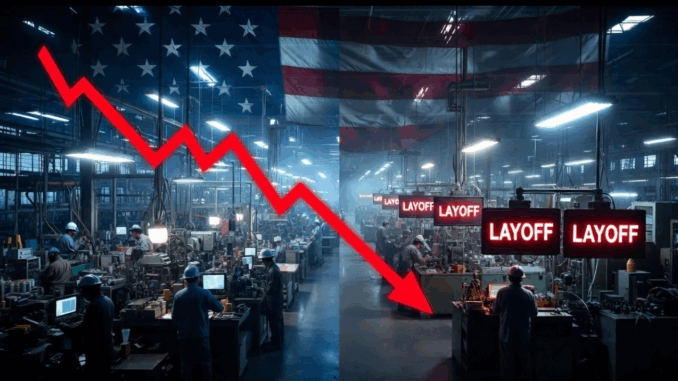
Most concerning is the report from outplacement firm Challenger, Gray and Christmas,
who announced layoff plans totaling 71,321 in November, lower than the cuts announced
in October, but still high enough to bring the total layoffs for 2025 up to 1.17 million, the
most since the 2020 pandemic. The total is 54% higher than the same 11-month span one
year ago.
Reports from ADP (Automatic Data Processing) indicate private sector job losses at 32,000
as of December 3, with sectors like Tech and Retail reporting significant layoffs. Both
reports suggest a weakening labor market despite the September figures. Corporate
restructuring, AI advancements and tariffs are likely the main reasons behind the job
losses.
While Amazon cites corporate retooling as the reason behind their recent cuts, fellow tech
giant Verizon is slashing 13,000 jobs, most of those due to AI advancements. In all, tech
companies are reporting losses greater than 17% compared to one year ago, with AI itself
being cited for 54,694 layoffs this year.
Tariffs are also cited as a reason behind the cuts, driving more than 2,000 layoffs in
November and nearly 8,000 this year-to-date. While restructuring remains the most
common reason, closings and market or economic conditions factor in the numbers as
well.
Since the Great Recession of 2008, only twice have layoff numbers risen above 70,000 in
November–once in the 2008 downturn, and again in 2022. Also, it is worth noting that since
2008, companies have shifted away from end-of-year layoffs. “It was the trend to announce
layoff plans toward the end of the year, to align with most companies’
fiscal year-ends,” said Andy Challenger, chief revenue officer at Challenger, Gray and
Christmas. “It became unpopular after the Great Recession especially, and best practice
dictated layoff plans would occur at times other than the holidays.”
According to the Challenger report, hiring prospects have dimmed as well, with employers
reportedly announcing 497,151 planned hires, 35% lower than hiring prospects one year
ago at the same time.
However, the data provided by the Labor Department has yet to reflect the apparent surge
in layoffs, raising concerns of what the next BLS report will show in about a week. The
Federal Reserve, however, continued their cuts to the benchmark rate, lowering the
overnight borrowing rate by another .25 percent, to 3.5% to 3.75%, the third such cut this
year. The increased layoffs, slowdown in hiring and lukewarm job growth likely impacting
their decision to cut the rate again.
