
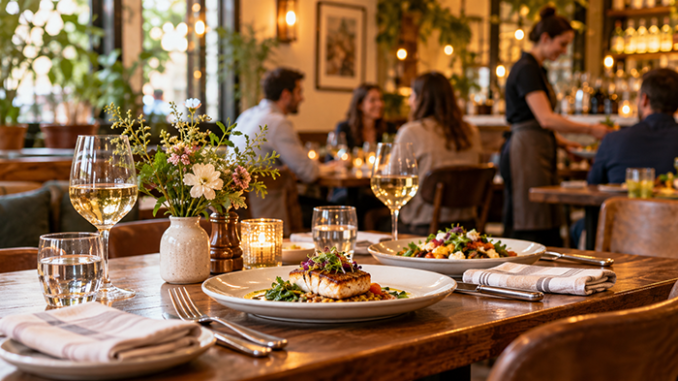

Running a successful restaurant involves more than preparing great food. Customers remember how they were treated, how comfortable they felt, and whether the overall experience met their expectations. From the moment someone enters to the moment they leave, every interaction contributes to their impression of the business.
Creating a memorable experience does not require expensive renovations or major operational changes. Often, small adjustments to presentation, service, and daily operations make a meaningful difference.
Thoughtful small improvements that make a restaurant more memorable allow businesses to strengthen customer relationships, encourage repeat visits, and stand out in a competitive industry. By focusing on details that influence the dining experience, restaurant owners can create lasting impressions while keeping expenses manageable.
Create a Welcoming First Impression
A customer’s experience begins before they sit down or place an order. The appearance of a restaurant’s exterior, the cleanliness of its entrance, and the way employees greet guests all influence initial perceptions. A welcoming environment communicates professionalism and helps customers feel comfortable.
Restaurant owners can improve first impressions by maintaining clear signage, keeping entrances clean, and ensuring outdoor areas are well-maintained. Inside, comfortable lighting, organized seating, and a friendly greeting immediately create a positive atmosphere.
Consistency is equally important. Customers should receive the same welcoming experience whether they visit during a quiet afternoon or a busy dinner service. Establishing simple greeting procedures and maintaining organized entrance areas allows employees to deliver reliable service throughout the day.
Pay Attention to Food Presentation and Packaging
Food quality remains essential to customer satisfaction, but presentation also shapes how people perceive a meal. A carefully arranged plate makes familiar dishes more appealing, while neat packaging creates a positive impression for takeout and delivery customers.
Restaurants can improve presentation by using appropriate serving dishes, maintaining consistent portions, and making sure meals leave the kitchen looking organized. These practices demonstrate attention to detail without requiring elaborate plating techniques.
Packaging deserves similar consideration, particularly for establishments that rely on takeout orders. Containers should protect food during transportation, prevent leaks, and make meals convenient to handle. Packaging can also support a consistent visual identity. For example,branded food wrap builds brand recognition by reinforcing design elements while serving the practical purpose of wrapping sandwiches, burgers, and other prepared foods. When presentation and packaging reflect the same attention to detail as the food, customers receive a more cohesive experience.
Make Customer Service More Personal
Memorable customer service comes from genuine interactions rather than elaborate gestures. A friendly greeting, attentive communication, and a willingness to accommodate reasonable requests make customers feel appreciated.
Employees who recognize returning guests or remember common preferences help create familiarity. This is particularly valuable for independent restaurants that depend on relationships within their communities.
Restaurant owners can encourage personalized service through regular staff training and clear expectations. Employees should understand the importance of listening carefully, responding respectfully, and addressing concerns promptly. However, personalization should feel natural rather than intrusive.
Strong customer service also depends on employee support. Adequate staffing, organized workflows, and clear communication between teams make it easier to deliver positive experiences consistently.
Improve the Restaurant’s Atmosphere
The dining environment influences how customers experience their meals. Lighting, music, seating, cleanliness, and temperature all contribute to comfort and affect how guests remember their visit. Restaurant owners should consider whether the atmosphere matches their establishment’s concept. A casual lunch spot may benefit from bright lighting and efficient seating, while an evening restaurant might create a more relaxed environment with softer lighting and quieter music.
Small adjustments make noticeable differences. Reducing music volume, rearranging tables to improve movement, or addressing uncomfortable seating can enhance the experience without extensive remodeling.
Cleanliness should remain a priority throughout the restaurant, including restrooms, waiting areas, and dining spaces. Regular inspections help employees identify issues before customers encounter them.
Simplify Ordering and Reduce Delays
Convenience plays an important role in customer satisfaction. Even excellent food may not compensate for confusing menus, inaccurate orders, or lengthy waits without clear communication. Restaurants can improve efficiency by reviewing the ordering process from the customer’s perspective. Menus should be easy to understand, prices clearly displayed, and employees prepared to answer questions about ingredients or customization options.
For takeout operations, a designated pickup area prevents congestion and helps customers collect orders efficiently. Clear instructions and accurate preparation estimates also reduce frustration.
Digital ordering tools may simplify operations, but restaurant owners should evaluate whether new technology addresses an actual problem before investing. Improving convenience often begins with identifying recurring delays and making practical adjustments to existing procedures.
Add Thoughtful Details Customers Remember
Small gestures distinguish a restaurant from competitors when they are appropriate and consistently delivered. A handwritten thank-you message on a takeout bag, a complimentary taste of a new menu item, or thoughtful attention to a special request can leave a positive impression.
These gestures do not need to be expensive. Their value comes from demonstrating that the restaurant pays attention to customer needs.
Owners should select details that fit naturally into daily operations. A quick-service establishment might focus on clear order labeling and convenient packaging, while a neighborhood cafe may emphasize friendly conversations with regular guests. Thoughtful touches should enhance the customer experience without placing pressure on employees or interfering with service quality.
Use Customer Feedback To Guide Improvements
Customer feedback provides insight into aspects of the restaurant experience that owners may overlook. Online reviews, direct conversations, and short surveys reveal recurring concerns and highlight successful practices.
Rather than reacting to every individual comment, owners should identify patterns. Repeated feedback about slow service, uncomfortable seating, or inconsistent food preparation may indicate an issue requiring attention.
Employees can also offer valuable observations because they interact with customers throughout the day. Encouraging staff to share common questions, complaints, and suggestions helps management identify practical opportunities for improvement. After implementing changes, owners should monitor results to determine whether those adjustments improve customer satisfaction and operational efficiency.
Focus on Consistency for Long-Term Success
New menu items, updated decor, and creative promotions attract attention, but consistency establishes trust. Customers want dependable food quality, accurate orders, and attentive service whenever they visit. Restaurant owners can maintain consistency by developing clear operating procedures, training employees regularly, and establishing quality standards across different shifts.
The most effective improvements that make a restaurant more memorable are those that become sustainable parts of everyday operations. Rather than changing everything simultaneously, owners can prioritize manageable adjustments, evaluate their impact, and build on successful results.
Be the first to comment