
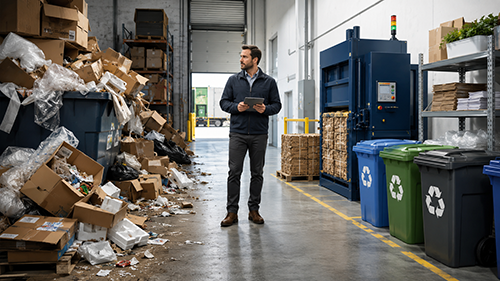

Business waste can quickly create financial strain and operational delays when companies fail to manage it properly. Small and medium-sized businesses often struggle with growing amounts of packaging materials, damaged inventory, paper waste, and outdated equipment. Overflowing waste areas can also harm customer impressions and reduce workplace efficiency.
Business owners who act early can regain control before waste problems interrupt daily operations. It’s imperative that you learn what to do when your business waste is uncontrollable.
Identify Where the Waste Comes From
Many businesses overlook the true source of their waste issues. Employees may discard reusable materials because processes lack structure or oversight. Shipping departments often accumulate excess cardboard, plastic wrap, and pallets during busy periods. Restaurants, offices, warehouses, and retail stores all generate different forms of waste that require separate management strategies.
Owners should walk through their facilities regularly and evaluate each department carefully. Tracking waste output for several weeks almost always reveals patterns that businesses can correct quickly. Some companies discover that poor inventory management increases unnecessary disposal costs. Others find that outdated workflows create duplicate materials and avoidable trash.
Create Clear Waste Reduction Policies
A business cannot improve waste management without clear expectations. Managers should create simple policies that employees understand and follow consistently. Written procedures can reduce confusion while improving accountability across departments. Staff training also encourages workers to participate in waste reduction efforts.
Strong communication plays a major role in long-term success. Employees should know where to place recyclable materials and hazardous items. Managers can post clear signs near disposal stations to reduce contamination problems. Businesses that encourage team participation often see faster improvements in cleanliness and organization.
Invest in Smarter Equipment Solutions
Many waste problems grow because businesses rely on outdated disposal methods. Overflowing dumpsters and scattered waste containers slow operations and create safety hazards. Investing in the right tools helps companies manage larger waste volumes more effectively. Businesses should evaluate waste management equipment your facility needs based on daily output and available space.
Several equipment options can improve efficiency:
- Balers compress cardboard and reduce storage demands.
- Compacting equipment lowers hauling frequency and disposal costs.
- Clearly labeled recycling stations improve sorting accuracy.
- Secure storage containers prevent outdoor waste buildup.
These upgrades often save money over time through lower labor costs and fewer waste pickups. They also help facilities maintain cleaner and safer environments for employees and visitors.
Protect Your Business Reputation
Uncontrolled waste can damage more than daily operations. Customers notice overflowing dumpsters, cluttered loading areas, and poor facility maintenance quickly. Dirty or disorganized environments may cause clients to question overall business standards. Professional waste management practices create stronger customer confidence and trust.
Local regulations also continue evolving across many industries. Businesses that ignore waste management requirements may face penalties or compliance issues. Owners who stay proactive protect their reputations while avoiding unnecessary legal complications. A clean and organized facility also supports employee morale and workplace productivity
Businesses with uncontrollable waste often discover additional benefits beyond cleanliness once they adopt better practices. Lower disposal costs, stronger efficiency, and improved customer impressions all contribute to long-term success. Small adjustments can produce major operational improvements over time. Companies that stay proactive place themselves in a stronger position for future growth.