

Finding reliable tenants is an important part of property management, but keeping them is just as valuable. Every vacant unit represents potential lost income, additional marketing expenses, and time spent preparing the property for someone new. For landlords and property managers, encouraging lease renewals can create a more predictable and profitable rental business.
However, tenants rarely decide to stay based on rental rates alone. Their experiences throughout the lease affect whether they view a property as somewhere worth remaining. Understanding what makes tenants want to renew their leases allows property-owners to strengthen their relationships with tenants and create environments that encourage long-term occupancy.
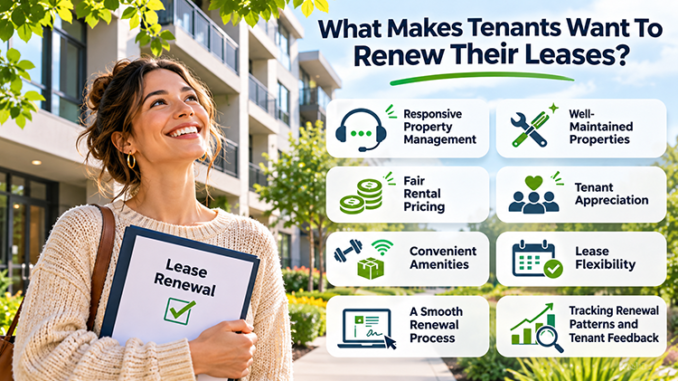
Responsive Property Management
One of the strongest reasons why tenants choose to stay put is confidence in their property management team. When residents know their concerns will receive attention, they might feel more comfortable committing to another lease term.
Communication plays an important role in establishing that confidence. Tenants appreciate receiving timely responses to maintenance requests and questions about their leases or properties.
Property managers can improve communication by establishing clear expectations for response times and providing convenient ways to submit requests. Even when they can’t resolve a problem immediately, regular updates demonstrate accountability. By treating communication as an ongoing responsibility rather than an occasional task, property-owners can create relationships that support higher tenant retention.
Well-Maintained Properties
The physical condition of a rental property significantly influences how tenants feel about staying. A building that receives consistent attention demonstrates that management values the property and the people occupying it.
Routine maintenance also prevents small problems from becoming major disruptions. Promptly addressing plumbing issues, heating concerns, damaged fixtures, and other maintenance needs can improve tenant satisfaction while protecting the property’s long-term value.
Common areas also contribute to the overall rental experience, particularly in apartment communities and commercial properties. Clean hallways, functioning lighting, maintained landscaping, and accessible parking areas all influence how tenants perceive the property. Property managers should also evaluate the conditions of amenities such as fitness centers, laundry facilities, elevators, and outdoor gathering areas.
Fair Rental Pricing
Even satisfied tenants must consider whether renewing their leases makes financial sense. Significant rent increases can encourage residents to explore alternatives. Property owners should evaluate local rental market conditions before proposing renewal rates. Factors such as nearby rental availability, property improvements, and operating expenses can influence appropriate pricing.
However, maximizing monthly rent shouldn’t automatically take priority over retaining a dependable tenant. Vacancies can introduce expenses related to advertising, cleaning, repairs, and tenant screening. These costs may offset some of the additional revenue that increasing rental rates would generate.
Tenant Appreciation
Tenants also want to feel respected and valued by the people managing their properties. Small gestures of appreciation can strengthen relationships and create a greater sense of belonging.
For residential communities, appreciation initiatives might include seasonal gatherings, welcome events, or even tenant appreciation parties. Commercial property managers can organize networking events that introduce neighboring businesses and encourage professional relationships.
Appreciation efforts should feel genuine and accessible. Simple activities, refreshments, and opportunities for conversation can help tenants develop positive associations with their properties. These experiences complement reliable management practices by adding a personal dimension to the landlord-tenant relationship.
Convenient Amenities
Amenities can influence lease renewal decisions by making a property more comfortable and convenient. However, expensive upgrades don’t automatically translate into stronger tenant retention: the most valuable improvements often address practical needs.
For residential tenants, these might include secure package delivery areas, convenient parking, dependable internet infrastructure, or updated laundry facilities. Commercial tenants may prioritize accessible loading areas, reliable building systems, convenient customer parking, and well-maintained common spaces.
Before investing in improvements, property managers can gather feedback through surveys or informal conversations. These discussions may reveal that tenants value improvements to existing services more than entirely new amenities. For example, repairing unreliable equipment or improving building security could have a greater effect on tenant satisfaction than introducing a feature that residents will rarely use.
Lease Flexibility
Life circumstances and business needs change. Tenants who are otherwise satisfied with their properties may hesitate to renew if their lease terms no longer accommodate their situations.
Where financially and operationally practical, offering reasonable flexibility can encourage tenants to remain. Residential landlords might consider different renewal durations or clearly defined options for adjusting lease terms. Commercial property-owners may explore negotiated renewal periods, expansion opportunities, or other arrangements that support changing business requirements.
Flexibility doesn’t mean abandoning established policies—it means recognizing that mutually beneficial arrangements can sometimes preserve valuable tenant relationships.
A Smooth Renewal Process
Even when tenants enjoy their properties, a confusing renewal process can create unnecessary frustration. Property managers should begin renewal discussions well before existing leases expire to allow sufficient time for questions and negotiations. Clear documentation helps tenants understand rental rates, any updated policies, and deadlines.
Digital lease management tools can also simplify document review and signatures. A straightforward process communicates professionalism while reducing administrative work for property management teams.
Tracking Renewal Patterns and Tenant Feedback
Exit surveys are particularly useful for gathering information from departing tenants. Asking about maintenance experiences, rental pricing, property condition, and management communication can reveal issues that might otherwise go unnoticed.
Tracking renewal rates over time can also help property-owners evaluate their retention efforts. Comparing renewal activity across different buildings, unit types, and lease periods may reveal trends worth investigating. If one property consistently experiences higher turnover than another, management can examine the differences in amenities, pricing, maintenance practices, and tenant experiences.
Property managers should also document improvements made in response to feedback. Reviewing whether these changes coincide with stronger satisfaction scores or renewal rates can help them determine which investments deserve continued attention.
Understanding what makes tenants want to renew their leases requires looking beyond individual incentives or temporary promotions. When they’re deciding whether to renew their leases, tenants consider the complete experience of occupying a property, including management responsiveness, building condition, rental costs, convenience, and personal interactions.
For property-owners, improving these areas can reduce turnover-related expenses and support more consistent rental income. The most effective tenant retention strategies combine dependable operations with thoughtful relationship management. When tenants feel comfortable, respected, and confident in their properties’ future, renewing their leases becomes a more attractive decision.
Be the first to comment